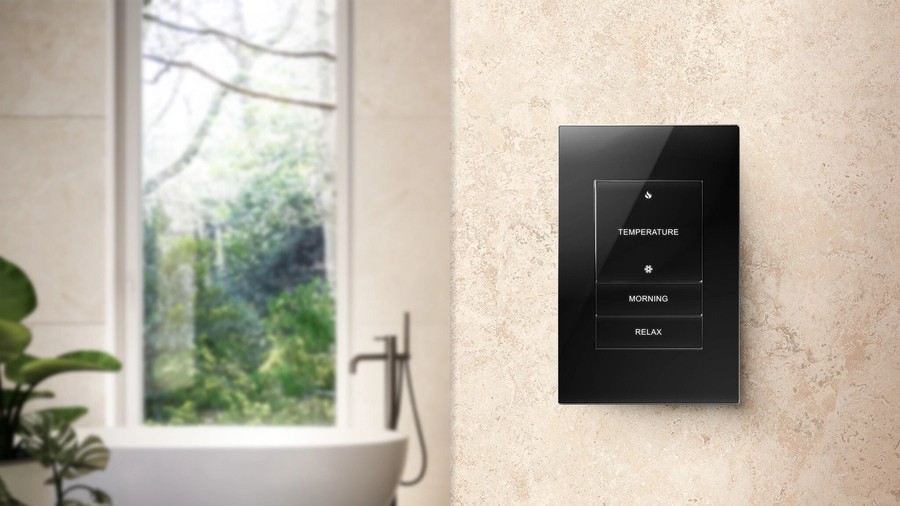
What Happens to Your Crestron Home When the Internet Goes Down?

what-happens-to-your-crestron-home-when-the-internet-goes-down

Understand What Keeps Your Smart Home Running—and Why the Network Matters

A lot of homeowners assume their entire smart home shuts off the moment the internet drops. That's a fair assumption—most of us think of "smart home" and "internet" as the same thing. In reality, they're not. 

A well-designed Crestron Home system runs on several distinct layers, and only some of them depend on the internet at all. Knowing which layer does what helps you ask better questions before you invest in a system, and helps explain why reliability matters more than flashy gadgets.

For homeowners across Dallas-Ft. Worth, reliability starts long before you press a button. Here’s why Texadia Systems treats the network as an essential part of your smart home experience.
What Businesses Should Expect From a Technology Support Partner

what-businesses-should-expect-from-a-technology-support-partner

Great Technology Is Only the Beginning

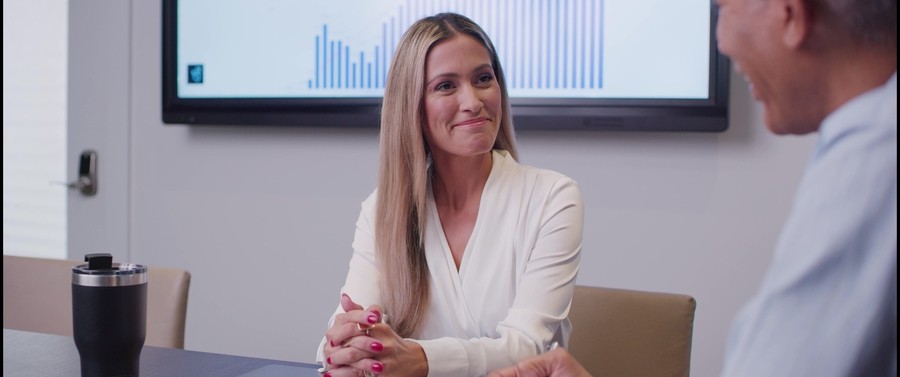
A conference room won't connect before your client presentation. A video call drops audio halfway through a pitch. In both cases, the equipment isn't really the problem. The lost time is. 

Any number of reasons could have caused the drop in performance. The network could be overloaded, or a device could have updated its firmware before your meeting, disrupting crucial integrations. For reliable, uninterrupted operation, your technology needs ongoing attention and maintenance to keep it performing as well as it did on day one. 

That's why the partner behind your technology matters as much as the technology itself. Whether your business features video conferencing AV, digital signage, security systems, or a Crestron control platform, you need a technology provider that keeps your business running without a hitch. Here’s what to look for. 

The Hidden Side of Smart Home Ownership: Why Service Matters

the-hidden-side-of-smart-home-ownership-why-service-matters

A luxury smart home isn't a one-time project. It's an investment that deserves ongoing care.

Installing a custom smart home is an exciting milestone. Your lighting responds to the time of day, music follows you from room to room, and every system works together with a simple tap or voice command.

But what many homeowners don't realize is that the installation is only the beginning.

Like any sophisticated home system, smart technology performs best when it's maintained over time. Software evolves, devices receive updates, and your family's routines naturally change. The homeowners who enjoy the most reliable, stress-free experience aren't necessarily the ones with the most technology. They're the ones with the right support behind it.

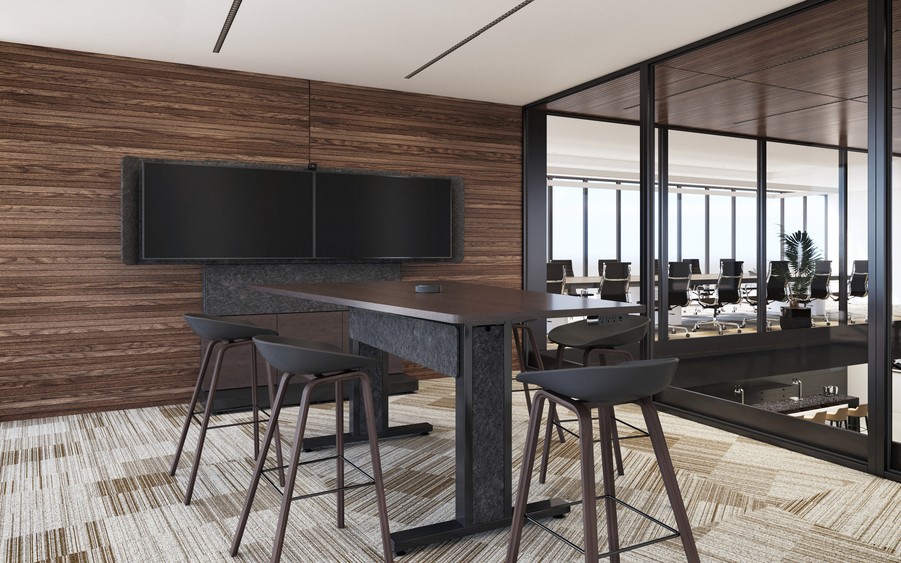
A More Intentional Approach to Workplace Design in 2026

a-more-intentional-approach-to-workplace-design-in-2026

Why the Most Successful Modern Offices Are Designed Systematically 

Most organizations move into an empty office space and from there, build their technology one room at a time. A conference room gets upgraded. A huddle space gets a new display. Another team purchases its own video conferencing solution. 

Over time, the office becomes a collection of disconnected experiences, with some rooms up to modern standards—and others left somewhere in the mid-2000s.   

Today’s leading organizations are taking a different approach. Instead of making isolated technology decisions, they're designing connected collaboration ecosystems that consistently support hybrid work and create a better experience for all employees, wherever they decide to meet. Here’s how they’re doing it.  

Subscribe to Inspiration
Stay up to date on the latest smart technology ideas and innovations.

Powered By One Firefly   |    Sitemap   |    Privacy Policy


https://www.cigna.com/legal/compliance/machine-readable-files

This link leads to the machine-readable files that are made available in response to the federal Transparency in Coverage Rule and includes negotiated service rates and out-of-network allowed amounts between health plans and healthcare providers. The machine readable files are formatted to allow researchers, regulators, and application developers to more easily access and analyze data.