
Texadia Systems ranked #18 among the CE Pro Top 100 largest custom electronics integrators in North America. Additionally, Texadia was listed as an "Old-School Ace", a top traditional custom AV integrator. To see the full publication click here.


Texadia Systems ranked #18 among the CE Pro Top 100 largest custom electronics integrators in North America. Additionally, Texadia was listed as an "Old-School Ace", a top traditional custom AV integrator. To see the full publication click here.
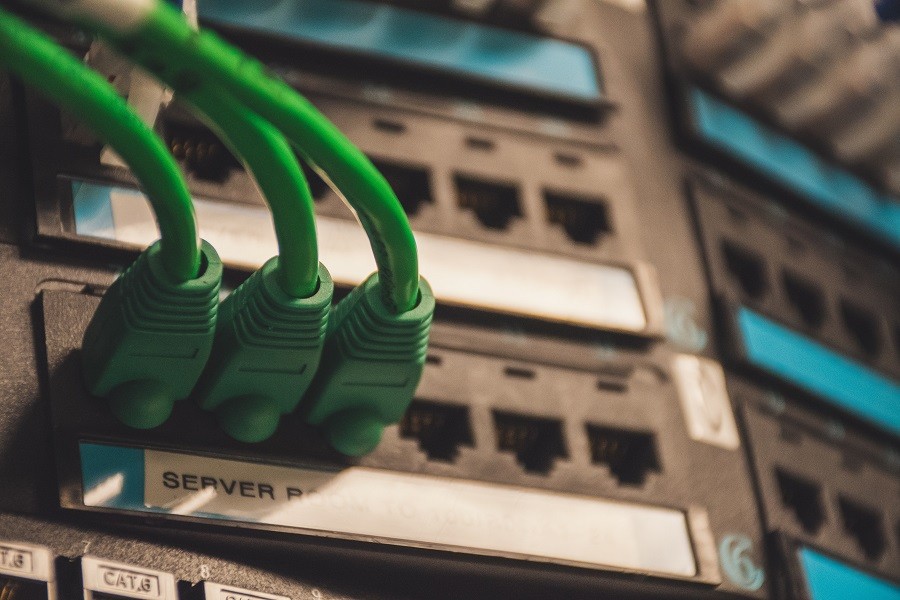
As smart homes grow in popularity, homebuilders are taking notice and partnering with integrators to install prewired automation systems into new properties to accommodate customers’ demands. But even though smart homes are increasingly popping up on the market doesn’t mean all homes have been prepped for smart technology.
If you’re interested in joining the world of home automation, chances are you need some guidance on how to get started. Below, we’ve answered some of your common questions about preparing a robust cabling installation for all of the integrated technologies you’d like to incorporate into your University Park, TX home. Read on to see our answers!
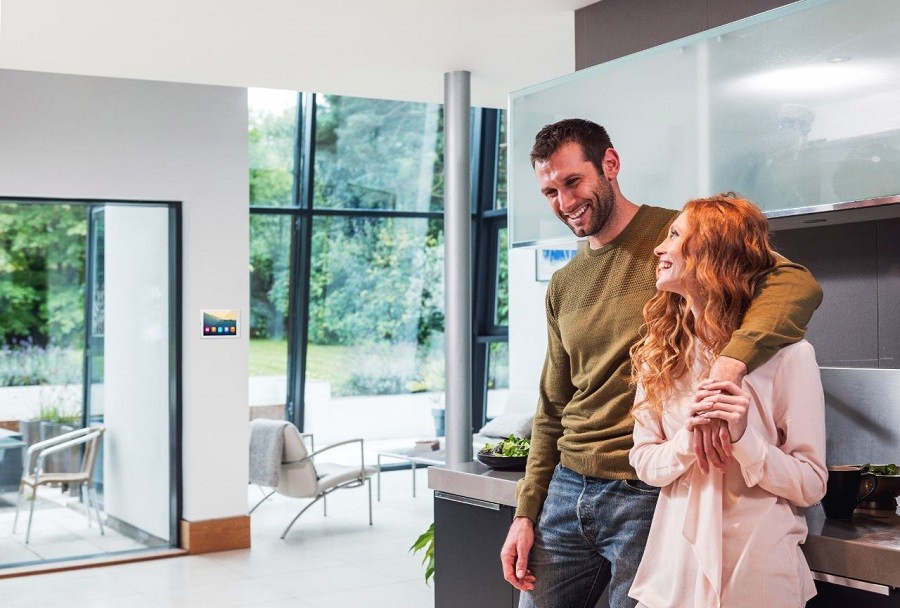
Not long ago, smart homes either marked the pinnacle of home luxury or were a faraway dream. Fast-forward to today, and smart systems are growing exponentially around the world as technology becomes more accessible for the typical homeowner.
Investing in a home automation system not only adds sophistication to your Dallas, TX lifestyle, but it also enhances your home security, helps you save energy, and ultimately makes living easier. Now more than ever, right now is the best time to reap the benefits of a smarter, safer, and more efficient home. Explore three of those life-improving benefits below.
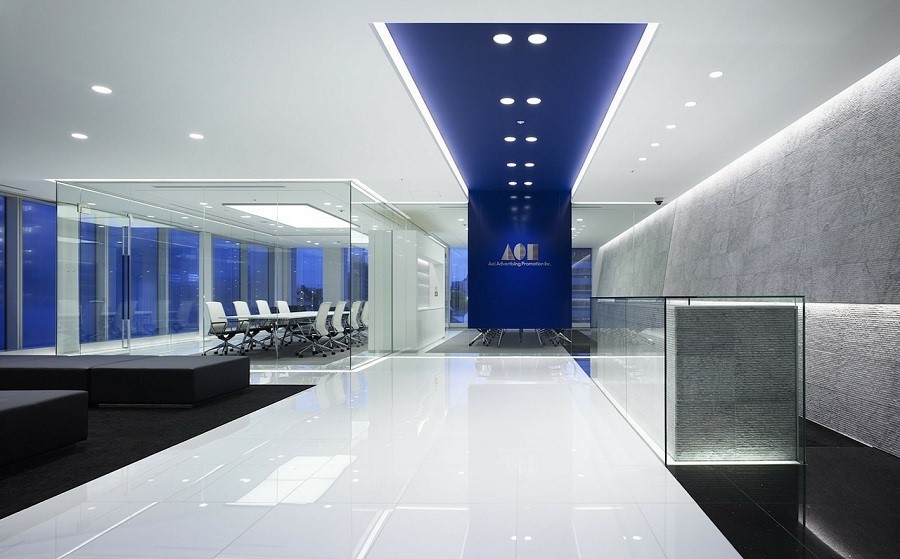
How often do clients visit your Frisco, TX office for meetings, training courses, and other events? Maybe you see only one or two per year, or perhaps you have clients visiting every week. Whether it’s one or 100, those customers are entering and leaving your office with a lasting impression of your company.
While the culture and attitude of your staff matter most when it comes to the impression you leave on your clients, the aesthetic quality of your meeting rooms plays an important role, too. By using the right meeting room lighting, you can boost the engagement and productivity of your client meetings, as well as help leave a better impression of your company name. How? Check out all the details below.
